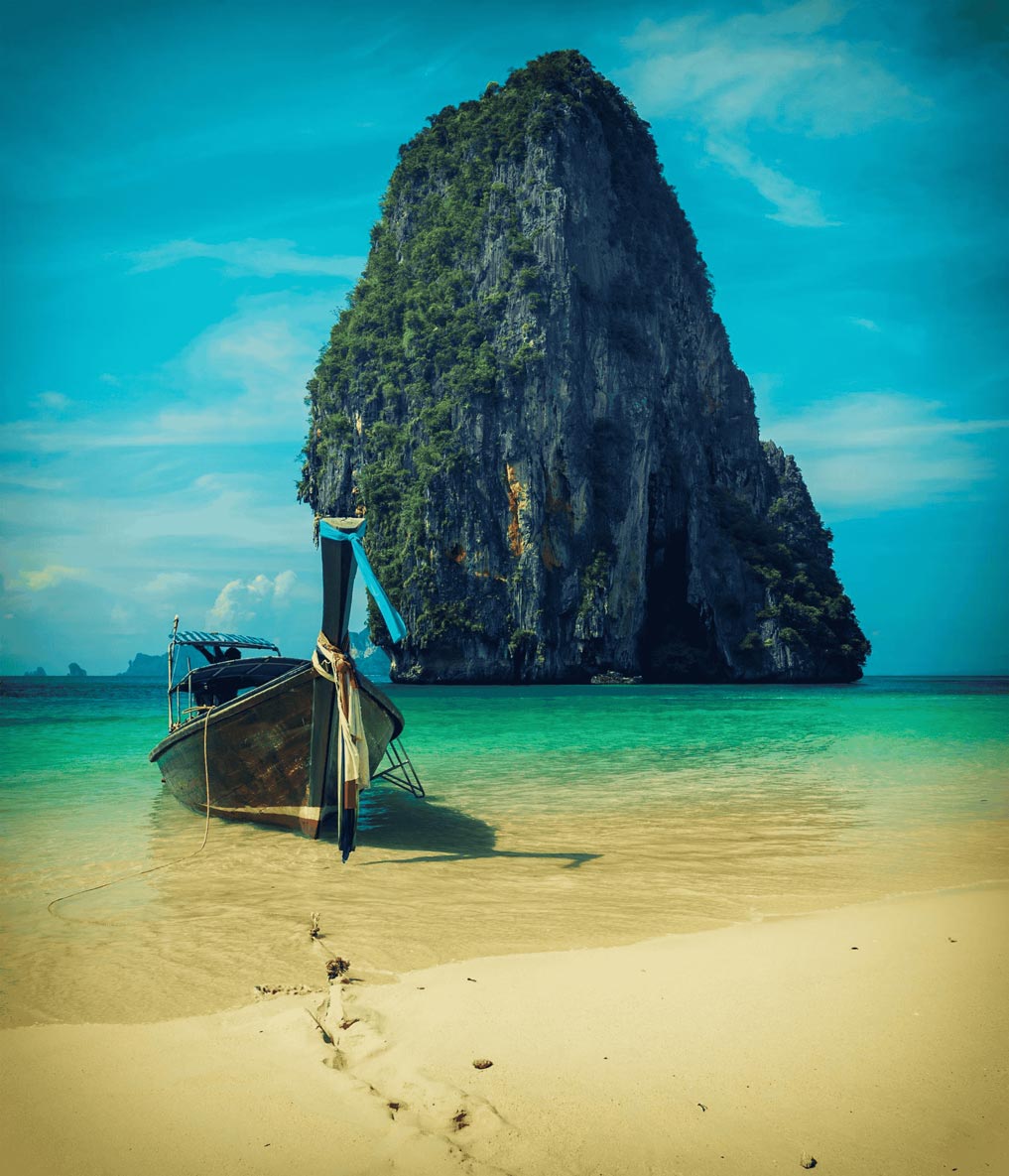



Vietnam often sounds like the easiest country to travel until you open a map and realise how different each region feels. Hanoi's organised chaos, Halong Bay's peaceful limestone islands, Hoi An's lantern-lit streets, Ho Chi Minh City's constant motion, and Phu Quoc's tropical beaches barely resemble one another. That's exactly what makes Vietnam for first-time visitors both exciting and a little overwhelming.
This guide explains Vietnam's major destinations, compares the regions, and suggests practical itineraries so you can confidently decide where to begin.
Understanding Vietnam for First-Time Visitors: The Three Regions
Vietnam stretches more than 1,600 kilometres from north to south, and each region has its own personality. Northern Vietnam is known for its centuries-old culture, mountain landscapes, historic landmarks, and cooler climate during much of the year. Hanoi and Halong Bay are the region's biggest highlights.
Central Vietnam offers a balanced mix of heritage, beaches, and relaxed coastal cities. Danang and Hoi An are close enough to combine into one easy stay, making this region especially popular with families and couples.
Southern Vietnam has a faster pace, warmer weather throughout the year, vibrant nightlife, and tropical islands. Ho Chi Minh City and Phu Quoc represent two completely different experiences, one energetic and urban, the other peaceful and beach-focused.
Domestic flights connect all three regions in less than two hours, so travelling from north to south (or vice versa) is easy.
Should You Visit North or South Vietnam First?
One of the biggest questions first-time travellers ask is where to begin.
Hanoi is often the preferred starting point for first-time visitors. It introduces you to Vietnam's history, culture, and iconic landscapes before the journey naturally transitions to the country's modern cities and tropical islands.
Ho Chi Minh City is an equally practical choice, especially if flights are more convenient or affordable. From there, you can travel north through Vietnam's coastal destinations, heritage towns, and historic capital without unnecessary backtracking.
Hanoi: Vietnam's Cultural Heart
Hanoi remains one of the country's most rewarding destinations for anyone visiting Vietnam for the first time. The Old Quarter's narrow streets are packed with family-run shops, local cafés, street vendors, and centuries-old architecture that still shapes everyday life. Food is one of the city's biggest attractions. Bowls of pho, grilled bun cha, fresh spring rolls, and famous egg coffee are best enjoyed at small local eateries rather than formal restaurants.
Beyond the food, Hoan Kiem Lake offers a peaceful escape from the busy streets. At the same time, attractions such as the Temple of Literature and the Ho Chi Minh Mausoleum provide insight into Vietnam's history and culture.
Recommended for: Culture lovers, food lovers, history enthusiasts, and first-time visitors.
Halong Bay: Vietnam's Iconic Cruise Experience
Halong Bay is one of Vietnam's most recognisable landscapes. Thousands of limestone islands rise dramatically from emerald waters, creating scenery unlike anywhere else in Southeast Asia.
Most visitors explore the bay on a cruise. While a day trip gives you a glimpse of the famous islands, an overnight cruise allows time for kayaking, cave visits, sunset views, and a peaceful sunrise before returning to the mainland.
Rather than trying to fit everything into a few hours, staying overnight transforms Halong Bay into one of the highlights of your trip.
Perfect for: Couples, families, photographers, and nature lovers.
Danang: Beaches Meet Modern Vietnam
Danang offers the perfect balance between city comforts and coastal relaxation. My Khe Beach stretches for kilometres, making it ideal for swimming, morning walks, or simply slowing down after sightseeing.
The Marble Mountains combine caves, pagodas, and panoramic viewpoints, while the Dragon Bridge attracts visitors every weekend with its fire and water show.
Just outside the city, Ba Na Hills and the famous Golden Bridge make an easy half-day excursion. Compared with Hanoi and Ho Chi Minh City, Danang feels cleaner, calmer, and easier to navigate, making it an excellent stop for families and travellers looking for a slower pace.
Ideal for: Families, beach lovers, and relaxed travellers.

Hoi An: Vietnam's Lantern-Lit Heritage Town
Hoi An offers a completely different atmosphere from Vietnam's larger cities. The UNESCO-listed Ancient Town is compact enough to explore on foot, with yellow heritage buildings, riverside cafés, colourful lanterns, and quiet alleyways waiting around every corner.
During the day, visitors browse tailor shops, art galleries, and local markets. By evening, thousands of lanterns illuminate the streets, creating one of Vietnam's most photographed scenes. Since Hoi An is only about 45 minutes from Danang, combining both destinations creates one of the easiest and most rewarding sections of any Vietnam itinerary.
Best suited for: Couples, photographers, culture lovers, and slow travellers.

Ho Chi Minh City: Vietnam's Dynamic Metropolis
Ho Chi Minh City showcases Vietnam's modern energy. Motorbikes flow through wide boulevards, skyscrapers continue to reshape the skyline, and neighbourhoods stay active from early morning until late at night. Ben Thanh Market remains a favourite stop for shopping and local snacks, while the War Remnants Museum offers an important perspective on Vietnam's recent history.
The city's food scene ranges from traditional banh mi stalls to contemporary rooftop restaurants, making it one of the country's top destinations for food lovers.
Travellers who enjoy busy cities, nightlife, and constant activity will likely find Ho Chi Minh City one of the most exciting parts of their journey.
Perfect for: City lovers, food enthusiasts, and history travellers.
Phu Quoc: A Relaxing Island Finish
The island offers clear beaches, luxury resorts, snorkelling excursions, island-hopping tours, and one of the world's longest sea-crossing cable cars connecting to An Thoi. Compared with the rest of Vietnam, life moves at a noticeably slower pace here. Evenings are often spent watching the sunset from the western beaches before enjoying fresh seafood by the coast.
If you're looking to balance sightseeing with relaxation, Phu Quoc is an ideal final stop.
Ideal for: Honeymooners, families, and beach holidays.
Is Vietnam Expensive for First-Time Visitors?
One of the reasons Vietnam remains so popular is its excellent value for money.
Accommodation ranges from comfortable budget hotels to luxury beachfront resorts, while domestic flights are generally affordable when booked in advance. Local food is inexpensive, transport between cities is well connected, and organised tours are available for almost every budget.
Travellers can comfortably customise their itinerary without dramatically increasing overall costs, making Vietnam suitable for backpackers, couples, families, and premium travellers alike.
Common Mistakes First-Time Visitors Make
A few planning choices can make your trip much smoother.
- Trying to visit every destination in one week.
- Spending too much time travelling between cities.
- Choosing a Halong Bay day trip instead of an overnight cruise
- Ignoring regional weather differences.
- Underestimating airport and transfer times
Building your itinerary around fewer destinations usually creates a more enjoyable holiday.
Before You Plan Your Trip
A few practical details can make planning your Vietnam trip much easier:
- Currency: Vietnamese Dong (VND).
- Language: Vietnamese is the official language, though English is commonly spoken in most tourist areas.
- Time Zone: GMT+7
- Main International Airports: Fly into Noi Bai International Airport (Hanoi) or Tan Son Nhat International Airport (Ho Chi Minh City), depending on where you plan to begin your journey.
- Getting Around: Domestic flights are the quickest way to travel between regions, while trains and buses are great options if you prefer a slower journey.
Suggested Vietnam Itineraries
- 4 Days: Hanoi and an overnight Halong Bay cruise
- 6 Days: Hanoi, Halong Bay and Hoi An
- 8 Days: Hanoi, Halong Bay, Danang and Hoi An
- 10 Days: Hanoi, Halong Bay, Danang, Hoi An and Ho Chi Minh City
Ready to Explore Vietnam?
Planning your first trip becomes much easier when your itinerary reflects your travel style instead of trying to fit in every destination. A well-paced journey leaves more time to enjoy each experience and less time worrying about logistics. Our travel advisors at BlueTerra Travel and Experiences can arrange your hotels, transfers, cruises, domestic flights and sightseeing into one personalised itinerary, helping you travel smoothly from arrival to departure.
FAQs
Q. How many days do I need for a first trip to Vietnam?
Ten days is ideal for covering both northern and southern highlights without feeling rushed. If your schedule is shorter, six to eight days is enough to explore two or three regions comfortably.
Q. Should I start in Hanoi or Ho Chi Minh City?
Either city works well. Most travellers simply choose the airport with the best flight options and then travel in one direction across the country.
Q. Is Vietnam suitable for first-time solo travellers?
Yes. Vietnam has a well-developed tourism infrastructure, reliable domestic transport, and many destinations that are easy to explore independently, including Hanoi, Danang, and Hoi An.
Q. What's the best time of year to visit Vietnam?
February to April generally offers the most comfortable conditions across much of the country, although conditions vary between regions. Planning your route according to seasonal patterns helps you make the most of your trip.
Q. Do Indian travellers need a visa for Vietnam?
Yes. Most Indian travellers can apply for a Vietnam e-visa online before departure. Applying at least one week before your travel date is recommended to allow enough processing time.


 07 April 2026