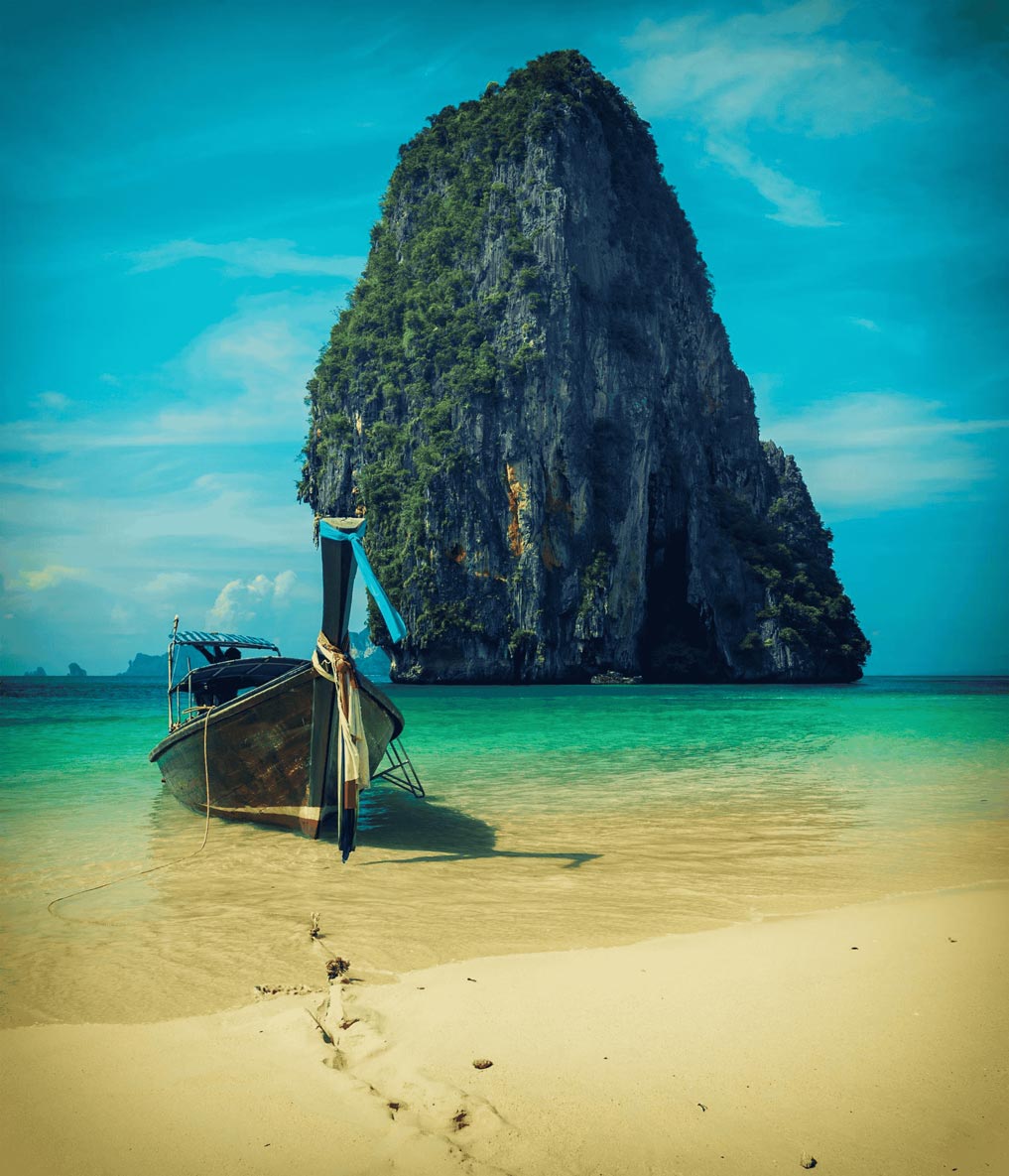



Golden rice terraces, lantern-lit streets, limestone islands, and tropical beaches. Vietnam is a destination that offers a different experience wherever you go. That's exactly what makes planning a trip exciting, but it also raises one important question: when is the best time to visit Vietnam? The answer depends on where you're heading. North, Central, and South Vietnam each have their own weather patterns, so choosing the right season can help you make the most of your journey. This guide will help you decide the ideal time to visit each region.
The best time to visit Vietnam is generally between March and April and September and November. Since North, Central, and South Vietnam experience different weather patterns, the ideal time depends on the destinations you plan to explore.

Vietnam Weather Guide
| Region | Best Time to Visit | Ideal For |
| North Vietnam | March - April, September - November |
Trekking, sightseeing, cruises |
| Central Vietnam | February - August | Beaches, heritage sites, outdoor activities |
| South Vietnam | November - April | Island holidays, city breaks, river cruises |
 Vietnam's Climate
Vietnam has three distinct climate regions: North, Central, and South. Each follows its own weather pattern, which means there's no single season that's perfect for the entire country.
The north experiences four seasons, including a cool winter. Central Vietnam has a long coastline where the rainy season arrives later in the year. Southern Vietnam enjoys a tropical climate with warm temperatures throughout the year, divided into dry and wet seasons.
If your itinerary covers multiple destinations, checking the regional weather is one of the most important steps before booking your flights and accommodations.
Best Time to Visit North Vietnam
Home to Hanoi, Sapa, Halong Bay, and Ninh Binh, North Vietnam is known for mountain landscapes, cultural heritage, and some of the country's most iconic scenery.
Weather in North Vietnam
Spring (March to April) brings mild temperatures, blooming flowers, and comfortable conditions for sightseeing. Autumn (September to November) offers cool weather, clear skies, and lower humidity, making it one of the most popular times to visit.
Summer, from May to August, is hot and humid with occasional heavy showers. Winter, between December and February, is much cooler, especially in mountainous areas like Sapa, where temperatures can drop significantly.
Best Months to Visit North Vietnam
The ideal time to explore North Vietnam is March to April and September to November. These months offer pleasant weather for walking through Hanoi's Old Quarter, cruising Halong Bay, or trekking around Sapa.
Top Experiences
- Wander through Hanoi's historic streets and cafés.
- Cruise among the limestone islands of Halong Bay.
- Trek through Sapa's rice terraces and local villages.
- Explore the scenic rivers and caves of Ninh Binh.
Best Time to Visit Central Vietnam
Central Vietnam combines sandy beaches, UNESCO World Heritage sites, and centuries of history, making it one of the country's most diverse regions.
Weather in Central Vietnam
Unlike the rest of the country, Central Vietnam enjoys its best beach weather during the first half of the year. The rainy season generally begins around September and can continue until December.
Temperatures remain warm throughout the year, though summer months can be quite hot.
Best Months to Visit Central Vietnam
The best time to visit Central Vietnam is February to August, when sunny days make it ideal for beach holidays, sightseeing, and outdoor activities.
Top Experiences
- Relax on Da Nang's sandy beaches.
- Walk through the lantern-filled streets of Hoi An.
- Visit Hue's Imperial City.
- Discover the caves of Phong Nha-Ke Bang National Park.
Best Time to Visit South Vietnam
Warm temperatures throughout the year make South Vietnam a favourite for tropical island escapes, bustling cities, and Mekong Delta cruises.
Weather in South Vietnam
South Vietnam has a tropical climate with two main seasons, the dry season and the rainy season. Temperatures stay warm all year, usually ranging between 25°C and 35°C.
The dry season runs from November to April, bringing sunny weather and lower humidity. The rainy season lasts from May to October, with short afternoon showers that often clear quickly.
Best Months to Visit South Vietnam
The best time to visit South Vietnam is November to April, especially if you're planning island escapes, city sightseeing, or river cruises.
Top Experiences
- Explore Ho Chi Minh City's historic landmarks.
- Cruise through the Mekong Delta.
- Relax on the beaches of Phu Quoc.
- Experience local floating markets and riverside villages.
Experience Vietnam's Festivals
Vietnam's festivals are one of the best ways to experience its traditions and local culture. If your travel dates are flexible, planning your trip around one of these celebrations can make your visit even more memorable.
- Tet (Vietnamese Lunar New Year) (January or February) – Vietnam's biggest and most important festival, celebrated with family gatherings, traditional food, colourful decorations, and cultural performances.
- Hoi An Lantern Festival (Monthly, on the full moon) – The streets of Hoi An glow with thousands of lanterns, while locals and visitors gather to enjoy cultural performances and floating lantern ceremonies.
- Mid-Autumn Festival (September or October) – A lively celebration featuring lantern parades, lion dances, and mooncakes, especially popular with families and children.
Travel Tip: If you're planning to visit during a major festival, book your flights and accommodation well in advance, as these periods are among the busiest times to travel in Vietnam.
Travel Tips for Visiting Vietnam
Since the weather varies by region, packing smart can help you stay comfortable throughout your trip.
- Pack light clothes and a jacket for North Vietnam in winter.
- Carry an umbrella or rain jacket during the rainy season.
- Book flights and hotels early during peak season.
- Wear comfortable shoes for sightseeing and walking tours.
- Keep sunscreen, sunglasses, and a reusable water bottle handy.
- Check the weather for each destination before you pack.

Ready to Explore Vietnam?
The best time to visit Vietnam depends on the experiences you're looking for and the regions you plan to explore. No matter when you choose to visit, there's always a part of Vietnam waiting to be explored. The key is matching your itinerary with the right season. Once you've decided where and when to go, BlueTerra can help you plan a journey that lets you experience Vietnam at its very best.
FAQs
Q. What is the best time to visit Vietnam?
The best time to visit Vietnam depends on the region you plan to explore. For pleasant weather across many popular destinations, spring (March to April) and autumn (September to November) are excellent choices. If you're visiting a specific region, check its seasonal weather before planning your trip.
Q. Which month is best for a Vietnam trip?
March is often considered one of the best months to visit Vietnam. The weather is generally pleasant in many parts of the country, making it a great time for sightseeing, beach holidays, and outdoor activities.
Q. Does Vietnam have a rainy season?
Yes. Vietnam experiences a rainy season, but the timing varies by region. South Vietnam usually receives the most rainfall between May and October, while Central Vietnam sees heavier rains from September to December. Rain showers are often short, so they don't always affect travel plans.
Q. Is Vietnam a good destination to visit all year round?
Yes. Vietnam is a year-round destination because its regions experience different weather patterns. Even if one part of the country is in the rainy season, another region may be enjoying sunny and pleasant conditions.
Q. How many days are enough to explore Vietnam?
A 10–14 day itinerary is ideal for experiencing North, Central, and South Vietnam at a comfortable pace. If you have less time, a 7-day trip allows you to explore one or two regions without feeling rushed.


 07 April 2026