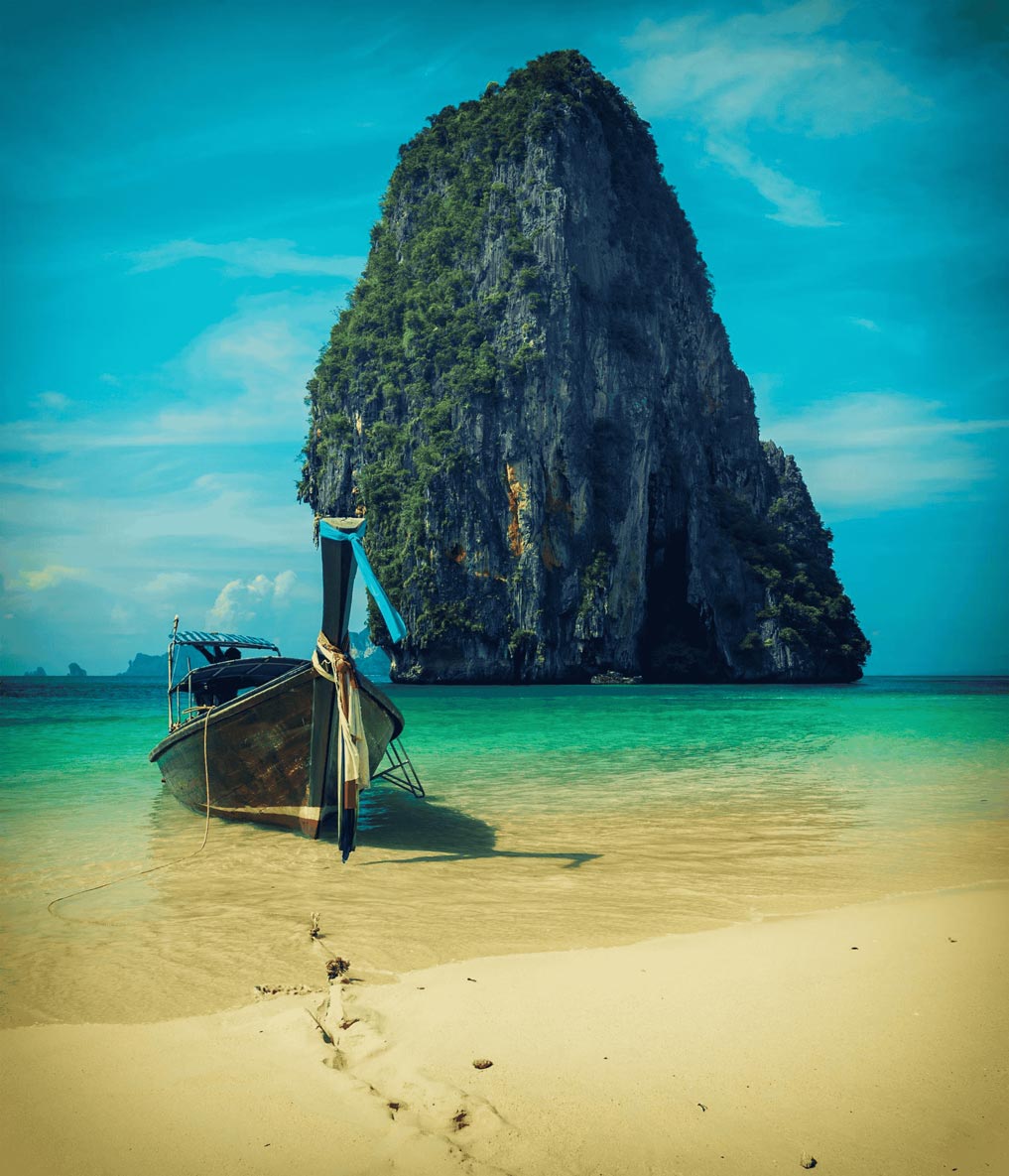



A cruise from Singapore can take you towards Thailand, Vietnam and Malaysia, while a different route may bring you to Japan and South Korea. The weather can change sharply between these regions, so the right cruise season depends on where you want to go.
Asia does not have one cruise season that works for every route. Tropical destinations stay warm for much of the year, while Japan has clear seasonal changes. Vietnam also has different weather patterns from north to south.
When should you take an Asia cruise?
The best time for an Asia cruise depends on the route you choose. Southeast Asian itineraries through Singapore, Thailand and Malaysia are often more comfortable from November to March, when temperatures are generally easier for sightseeing.
Japan and South Korea follow a different seasonal pattern. Spring brings cherry blossoms, while autumn offers cooler days and colourful scenery. Summer can be hot and humid, and parts of late summer and early autumn can see typhoons.
Instead of looking for one ideal month for the whole region, start with your cruise route. The ports you visit will tell you much more about the weather you can expect.

November to March works well for Southeast Asia
Singapore, Malaysia and Thailand are common stops on Southeast Asian cruise itineraries. The period from November to March can suit travellers who want to spend time exploring ports without peak summer heat.
Singapore stays hot and humid throughout the year. Its rainfall also varies by season, with wetter conditions often seen from November through January. February is usually the driest month based on long-term climate records.
That means a cruise starting in Singapore still needs some weather planning. Short tropical showers can occur even outside the wetter periods.
Thailand and Malaysia also have tropical climates, so conditions can vary between islands and coastal areas. Check the exact itinerary before choosing your travel dates.
Spring brings a different side of Japan
Japan becomes especially interesting in spring, when cherry blossoms move from southern areas towards the north. The season generally runs from March to May, although flowering dates vary by location and year.
A Japan cruise during this period can combine city visits with seasonal scenery. Tokyo, Osaka, and other major ports can also feel quite different from tropical Southeast Asian destinations.
Spring is popular, so busy attractions and higher demand can affect your plans. Japan's Golden Week period in late April and early May is another busy domestic travel period.
If cherry blossoms are your main reason for travelling, check the expected bloom dates for each port before booking.
Autumn can be a good choice for Japan and Korea
Autumn brings cooler weather and changing colours across Japan. The season generally starts in the north before moving south, with autumn foliage appearing between late September and early December depending on the region.
For a cruise itinerary that includes Japan and South Korea, autumn can suit travellers who prefer cooler conditions for walking and sightseeing.
September can still bring challenging weather in parts of Japan. Typhoons may affect travel plans during August and September, so the specific itinerary and sailing dates deserve a closer look.

Vietnam needs a closer look at the route
Vietnam stretches along a long coastline, and its weather changes from one region to another. A cruise stopping at northern, central, and southern ports can therefore experience different conditions during the same trip.
Northern Vietnam can be cooler and mistier from December to March. Halong Bay tends to have warmer, clearer conditions from April to June and September to November. Tropical storms can sometimes affect cruises in the area.
Southern Vietnam stays warm throughout the year. Ho Chi Minh City and the Mekong Delta generally have clearer conditions from December to April, while May to November brings more rainfall.
Check every port on your itinerary instead of relying on Vietnam's overall weather pattern.
Asia Cruise Weather by Season
|
Season |
Routes to consider |
What to expect |
|
November to March |
Southeast Asia |
Warm weather with varying rainfall across ports |
|
March to May |
Japan, South Korea, Vietnam |
Spring scenery and generally comfortable conditions in several regions |
|
June to August |
Selected northern routes |
Hot and humid conditions across many destinations |
|
September to November |
Japan, Vietnam and selected Southeast Asia routes |
Autumn scenery in Japan and changing weather across tropical ports |
|
December to February |
Southeast Asia and selected Japan routes |
Tropical warmth in the south and winter conditions in northern destinations |

What should you check before booking?
Weather is only one part of choosing an Asia cruise. The route, time spent in each port, and the activities you want to do can shape the trip just as much.
Before booking your sailing date, take a closer look at:
- Cruise route: Check the weather at each port.
- Rainfall: Tropical destinations can see rain year-round.
- Temperature: Japan is cooler than Southeast Asia.
- Typhoon risk: Some regions face storms in certain months.
- Shore excursions: Weather can affect outdoor activities.
- Crowds: Peak seasons can mean busier attractions.
- Cruise duration: Longer cruises may cross different weather zones.
A little planning around these details can help you choose a sailing that fits the kind of experience you want.
Pick the season around your route
The best time to take an Asia cruise depends on the places you want to visit. A Singapore and Thailand itinerary has different weather considerations from a Japan and South Korea sailing.
For tropical Southeast Asia, compare rainfall and temperatures across your ports. For Japan, look at spring and autumn if seasonal scenery and comfortable sightseeing conditions matter to you. Vietnam requires closer planning because northern, central and southern regions follow different weather patterns.
BlueTerra's Asia cruise itineraries can help you compare routes, destinations and travel periods before planning your trip. Looking at the full itinerary first makes it easier to match your cruise with the season you prefer.
FAQs
Q. What is the best month for an Asia cruise?
There is no single best month for every Asia cruise. Your ideal month depends on the route, ports and weather conditions.
Q. What is the best time for a Southeast Asia cruise?
November to March is a useful period to consider for many Southeast Asian routes. Weather still varies between individual destinations, so check your specific ports.
Q. Is summer a good time for an Asia cruise?
Summer can work for some routes, but many Asian destinations are hot and humid. Some areas also experience heavier rainfall or tropical storms during this period.
Q. What is the best time for a Japan cruise?
Spring and autumn offer comfortable conditions in many parts of Japan. Spring brings cherry blossoms, while autumn brings colourful foliage.
Q. Can you take an Asia cruise during the rainy season?
Yes. Cruises operate during different weather periods throughout the year. However, rainfall, storms and sea conditions can affect port activities and excursions.


 30 March 2026